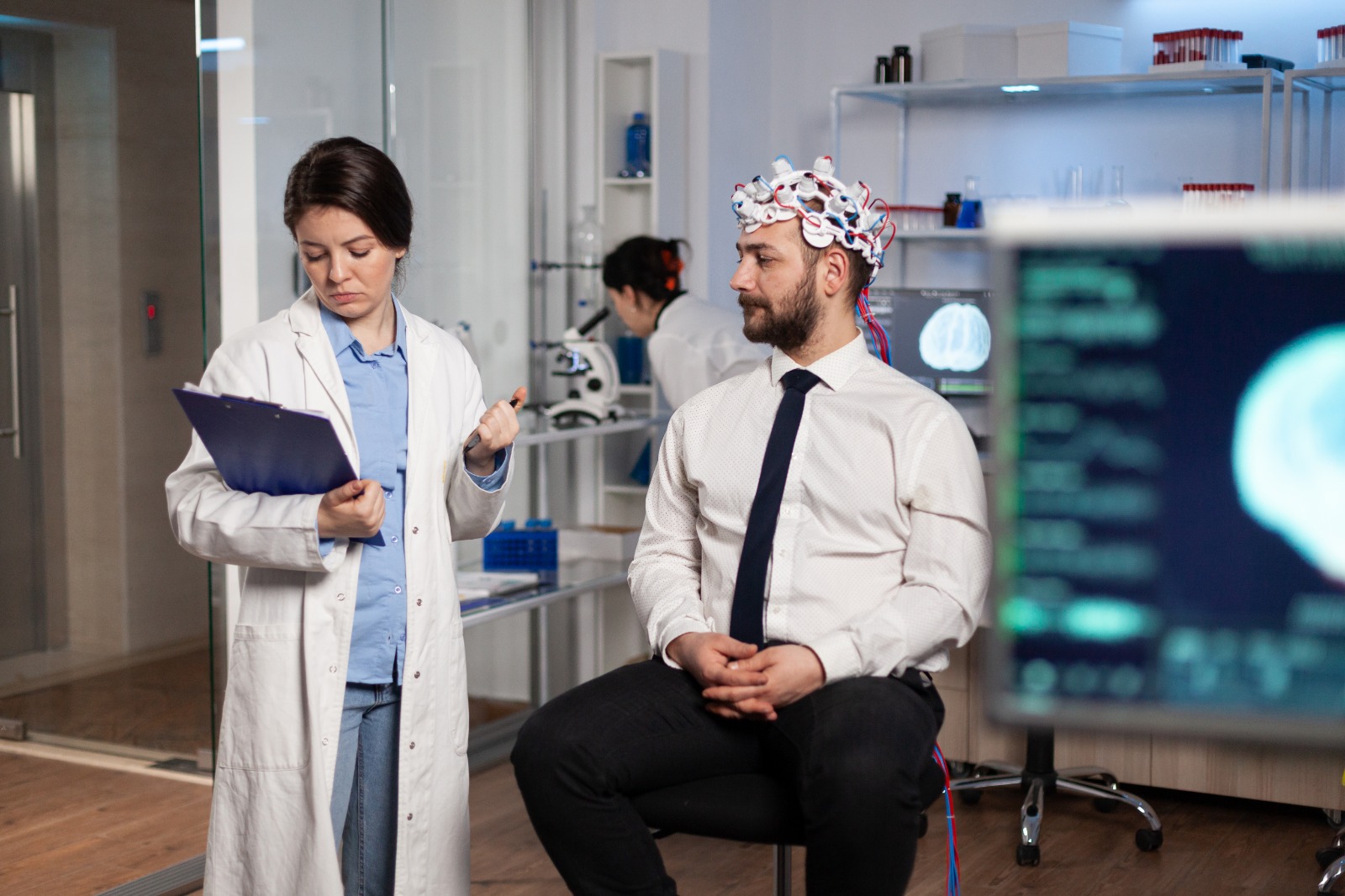
A neurologist can diagnose ADHD, but psychiatrists and psychologists handle most cases because ADHD is a mental health condition requiring behavioral assessment tools these specialists use daily.
Neurologists treat disorders of the brain and nervous system. ADHD affects attention, impulse control, and activity levels through differences in brain chemistry and structure. The overlap between neurology and psychiatry creates confusion about which doctor to see.
A neurologist evaluates your nervous system to rule out neurological conditions that mimic ADHD symptoms like seizures, traumatic brain injury, or sleep disorders.
Neurologists perform:
The National Resource Center on ADHD reports that 4.4% of adults in the United States have ADHD. Neurologists see patients when symptoms suggest potential brain injury or neurological disease rather than primary ADHD.
Psychiatrists diagnose 68% of ADHD cases in adults because they specialize in mental disorders and prescribe medication for treatment.
Primary ADHD Diagnostic Specialists:
Psychiatrists use the Diagnostic and Statistical Manual of Mental Disorders (DSM-5) criteria. You must show six or more symptoms of inattention or hyperactivity-impulsivity that persist for at least six months.
Mental health professionals can identify ADHD patterns through standardized rating scales. The Conners Adult ADHD Rating Scale and the Adult ADHD Self-Report Scale measure symptom severity across different life areas.
The ADHD diagnostic process involves a thorough evaluation of your symptoms, medical history, and behavior patterns across multiple settings over time.
Your doctor collects information from:
The Centers for Disease Control and Prevention states that ADHD symptoms must appear before age 12. Adults seeking diagnosis need evidence of childhood symptoms even if they went undiagnosed.
Psychologists perform continuous performance tasks. These computer-based tests measure your sustained attention and impulse control over 15-20 minutes. The tests track response time, omission errors, and commission errors.
A psychiatrist prescribes medication and manages your overall mental health treatment while a psychologist provides behavioral therapy and psychological testing without prescribing drugs.
Psychiatrists complete medical school and residency training in mental disorders. They understand how ADHD medications like stimulants and non-stimulants affect brain chemistry. Common ADHD medications include methylphenidate and amphetamine compounds.
Psychologists earn doctoral degrees in psychology. They administer neuropsychological tests that measure executive functions, working memory, and processing speed. Testing takes 2-4 hours and costs between $1,500 and $3,000 without insurance.
Your treatment plan may include both professionals. Research shows that combined medication and behavioral therapy produces better outcomes than either approach alone for many adults with ADHD.
ADHD is classified as a neurodevelopmental disorder in the DSM-5, meaning it affects both brain development and behavior from childhood.
The disorder involves:
Brain imaging studies reveal that people with ADHD show 3-5% smaller brain volumes in specific regions. The prefrontal cortex, which handles planning and impulse control, shows the most consistent differences.
ADHD sits at the intersection of neurology and psychiatry. Neurologists may evaluate you when symptoms suggest comorbid conditions like epilepsy or traumatic brain injury affecting attention.
You need ADHD evaluation when persistent inattention, hyperactivity, or impulsivity disrupts your work, relationships, or daily functioning for six months or longer.
Inattention symptoms include:
Hyperactivity and impulsivity symptoms include:
The symptoms must appear in two or more settings. You might struggle at work and at home, or in social situations and during household tasks.
Your primary care physician can diagnose ADHD using standardized screening tools and DSM-5 criteria, then refer you to a specialist for complex cases or comorbid conditions.
Family doctors diagnose straightforward ADHD cases in adults who present clear symptom patterns. They review your medical history, conduct physical examinations, and rule out conditions like thyroid disorders or sleep apnea.
Primary care physicians may refer you to a specialist when:
Many adults with ADHD remain undiagnosed until their 30s or 40s. The Department of Health and Human Services estimates that only 20% of adults with ADHD receive treatment.
Doctors use symptom rating scales, behavioral questionnaires, and continuous performance tests rather than blood tests or brain scans to diagnose ADHD.
Standard ADHD Assessment Tools:
Brain scans cannot diagnose ADHD. MRI and CT scans help doctors rule out tumors, strokes, or structural abnormalities causing ADHD-like symptoms. EEG tests measure seizure activity that might disrupt attention.
Neuropsychological testing evaluates your cognitive abilities across memory, attention, processing speed, and executive functions. These comprehensive evaluations cost $2,000-$5,000 and take 4-8 hours over multiple sessions.
ADHD treatment combines medication, behavioral therapy, lifestyle changes, and educational support based on your specific symptom profile and life circumstances.
Medication options include:
Stimulant medications work within 30-60 minutes and last 4-12 hours depending on the formulation. Studies show 70-80% of people with ADHD respond to stimulant treatment.
Behavioral therapy teaches specific skills:
Cognitive behavioral therapy helps you identify negative thought patterns and develop coping strategies. ADHD coaching provides accountability and practical support for implementing organizational systems.
Children need evaluation by a pediatric neurologist when they show ADHD symptoms alongside developmental delays, seizures, or signs of neurological disease.
Pediatric neurologists treat children with:
The American Academy of Pediatrics recommends that pediatricians diagnose and treat straightforward ADHD cases in children ages 4-18. Pediatricians prescribe stimulant medications and monitor treatment response through regular follow-up visits.
Older children and teenagers benefit from specialized evaluation when academic performance declines despite treatment. Neuropsychological testing identifies specific learning disabilities that require educational accommodations.
A neuropsychologist conducts detailed cognitive testing to differentiate ADHD from learning disabilities, brain injuries, or other conditions affecting attention and executive functions.
Neuropsychological evaluation measures:
The testing produces a comprehensive report documenting your cognitive strengths and weaknesses. Schools and employers use these reports to provide accommodations like extended test time or reduced distractions.
Insurance coverage for neuropsychological testing varies. Medicare and Medicaid cover testing when medically necessary. Private insurance may require pre-authorization and documentation of failed previous treatments.
ADHD diagnosis costs range from $100-$500 for basic evaluation by a primary care doctor to $2,000-$5,000 for comprehensive neuropsychological testing.
ADHD Diagnostic Cost Breakdown:
Community mental health centers offer sliding scale fees based on income. Some centers charge $25-$100 per visit regardless of services provided.
University psychology departments provide low-cost testing through training clinics. Graduate students conduct evaluations under licensed psychologist supervision at 50-70% reduced rates.
The Substance Abuse and Mental Health Services Administration maintains a treatment locator tool showing low-cost mental health services in your area.
You can access free ADHD diagnosis through community health centers, university training clinics, or nonprofit organizations serving uninsured patients in most areas.
Free or low-cost options include:
Medicaid covers ADHD diagnosis and treatment in all 50 states. Children qualify through CHIP (Children's Health Insurance Program) when family income falls below state thresholds.
Telehealth platforms like Done and Cerebral offer ADHD assessments for $199-$299. These companies connect you with licensed mental health professionals who diagnose ADHD through video appointments.
Undiagnosed ADHD leads to academic failure, job loss, relationship problems, and increased risk of accidents, substance abuse, and mental health conditions over time.
Adults with undiagnosed ADHD experience:
Many adults develop coping strategies that mask ADHD symptoms. You might choose jobs with constant variety or avoid tasks requiring sustained attention. These adaptations work until life demands exceed your compensatory abilities.
Children with undiagnosed ADHD often receive labels like "lazy," "unmotivated," or "not trying hard enough." The repeated failure damages self-esteem and creates learned helplessness that persists into adulthood.
See a psychiatrist for ADHD diagnosis and medication management unless you have neurological symptoms like seizures, head injury, or movement disorders requiring neurologist evaluation first.
Psychiatrists specialize in mental disorders and understand ADHD treatment protocols. They prescribe medications, adjust dosages based on response, and manage side effects through regular follow-up care.
Choose a neurologist when you experience:
The neurologist rules out medical conditions affecting brain function. After completing neurological evaluation, you typically receive referral to a psychiatrist or psychologist for ADHD-specific treatment.
Psychiatrists, psychologists, pediatricians, family doctors, nurse practitioners, and neurologists can all diagnose ADHD using DSM-5 criteria and standardized assessment tools.
The best specialist depends on your age and situation:
Nurse practitioners with mental health specialization (psychiatric nurse practitioners) diagnose and prescribe ADHD medications in all 50 states. They often have shorter wait times than psychiatrists.
Your insurance plan may require starting with your primary care physician who provides referrals to specialists. Contact your insurance company to verify coverage before scheduling appointments.
ADHD is a neurodevelopmental disorder classified under mental health conditions in the DSM-5, involving both neurological differences in brain structure and psychiatric symptoms affecting behavior.
The disorder originates from altered brain development during childhood. Neuroimaging shows measurable differences in brain regions controlling executive functions, but these findings do not appear on standard neurological tests.
Medical classification places ADHD at the boundary between neurology and psychiatry. Neurologists treat seizures, strokes, and brain tumors. Psychiatrists treat ADHD because the primary symptoms involve behavior, attention, and emotional regulation rather than motor function or sensory perception.
Your ADHD affects dopamine pathways in your prefrontal cortex. This creates neurological changes that psychiatrists treat with behavioral interventions and medications targeting neurotransmitter systems.
Access free ADHD diagnosis through community health centers accepting patients regardless of ability to pay, university training clinics, or applying for Medicaid coverage based on your income level.
Steps to find free ADHD diagnosis:
Document your symptoms before seeking diagnosis. Keep a journal tracking attention problems, impulsivity, and life impacts for two weeks. This information helps providers complete evaluations efficiently.
Community health centers operate on sliding scale fees. You pay based on household income and family size, with many patients qualifying for $0 copays.
Your path to accurate diagnosis starts with recognizing symptoms and seeking qualified professional evaluation.

The Healing Hub Mental Wellness Ltd is dedicated to promoting emotional well-being and personal growth.

.jpg)



Regulated by:

Reg Ref: ZB818691